
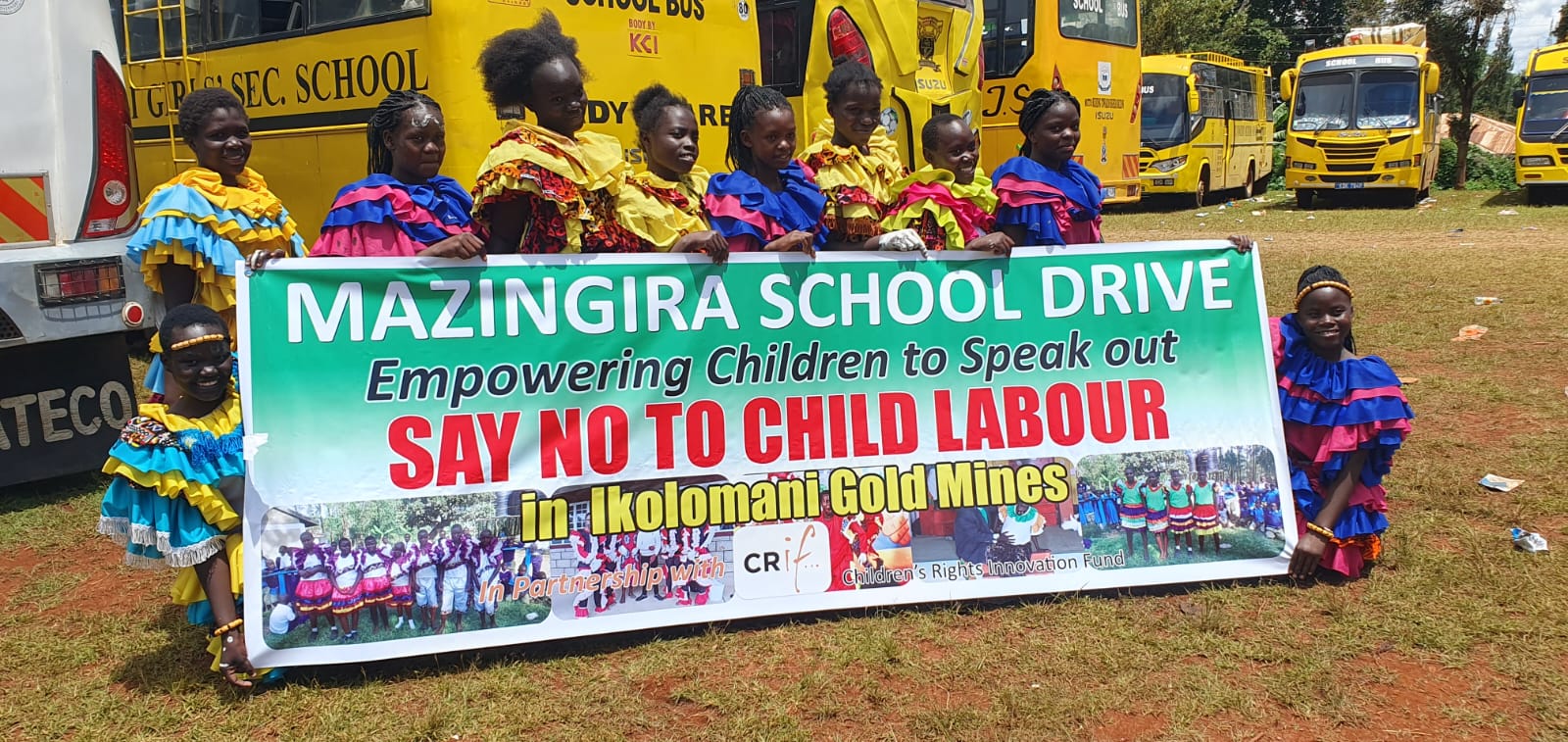
In Ikolomani, Kakamega County, children as young as eight years old skip school to work in artisanal gold mines. They descend into crumbling pits, handle toxic mercury, and spend twelve to fourteen hours washing gold instead of sitting in classrooms. Many have never known a world outside mining.
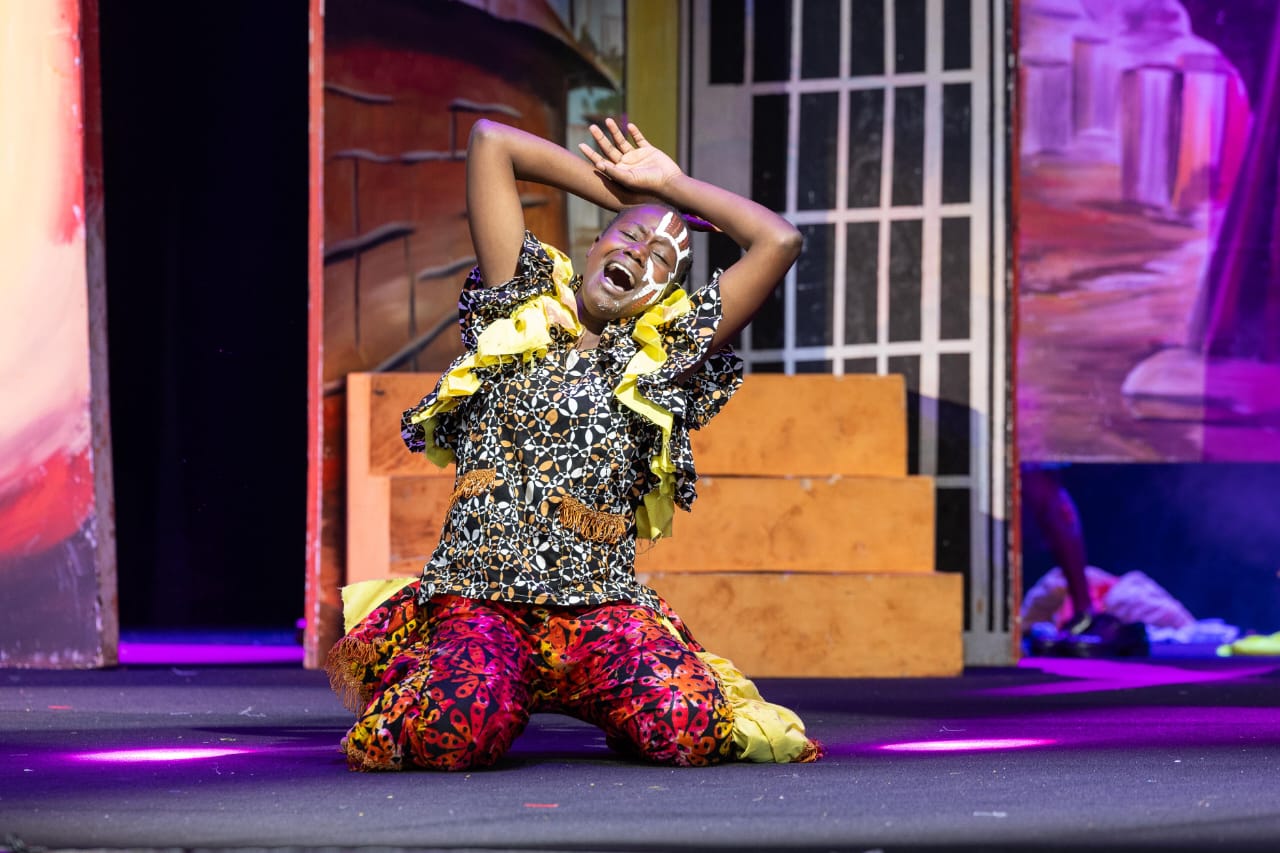
The Mazingira School Drive is our response. Not a campaign of posters or radio announcements. A programme that gives children the tools to speak for themselves, using the power of performing arts.
What the Programme Does
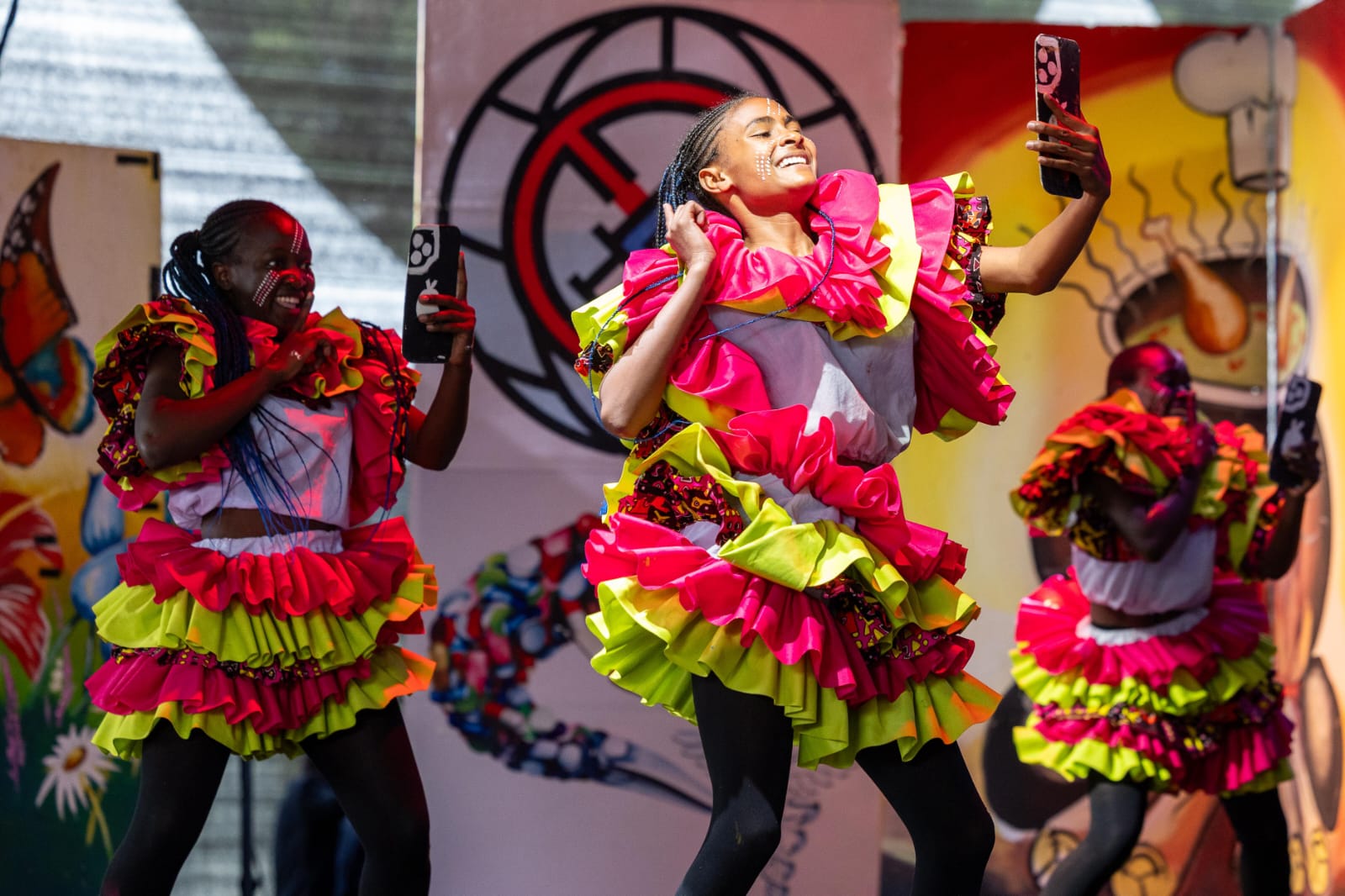
We train children aged 8 to 17 across seven schools in Ikolomani in acting, narration, modern dance, cultural dance, poetry writing, singing, and scriptwriting. Using these skills, children create and perform original plays, spoken word pieces, songs, and dances that expose the reality of child labour in gold mining.
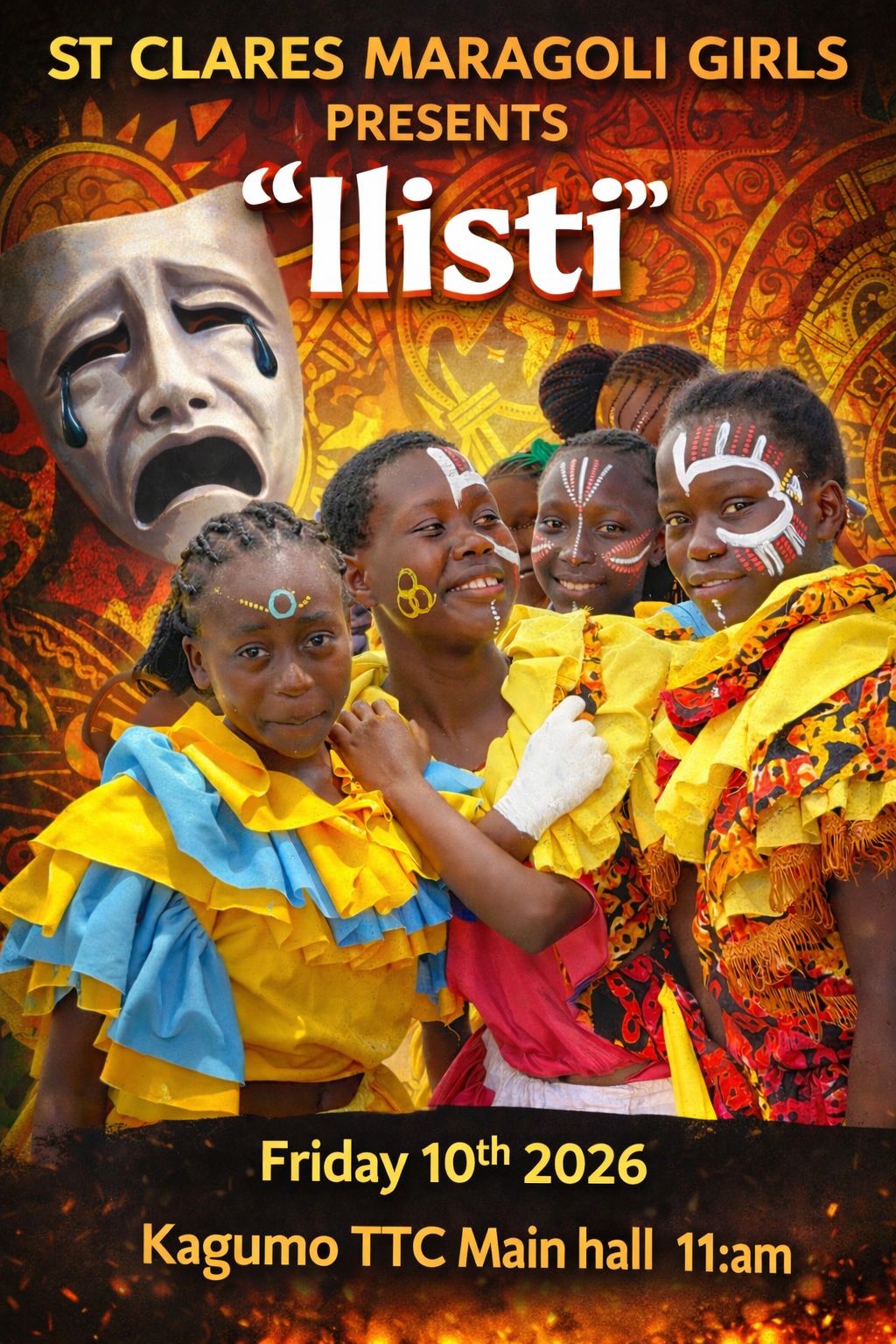
These performances travel to schools, churches, market days, and community gatherings, reaching parents, mine owners, local leaders, and fellow children. When a child stands on stage and recites a poem about waking at 4am to descend into a mine, the community cannot look away.
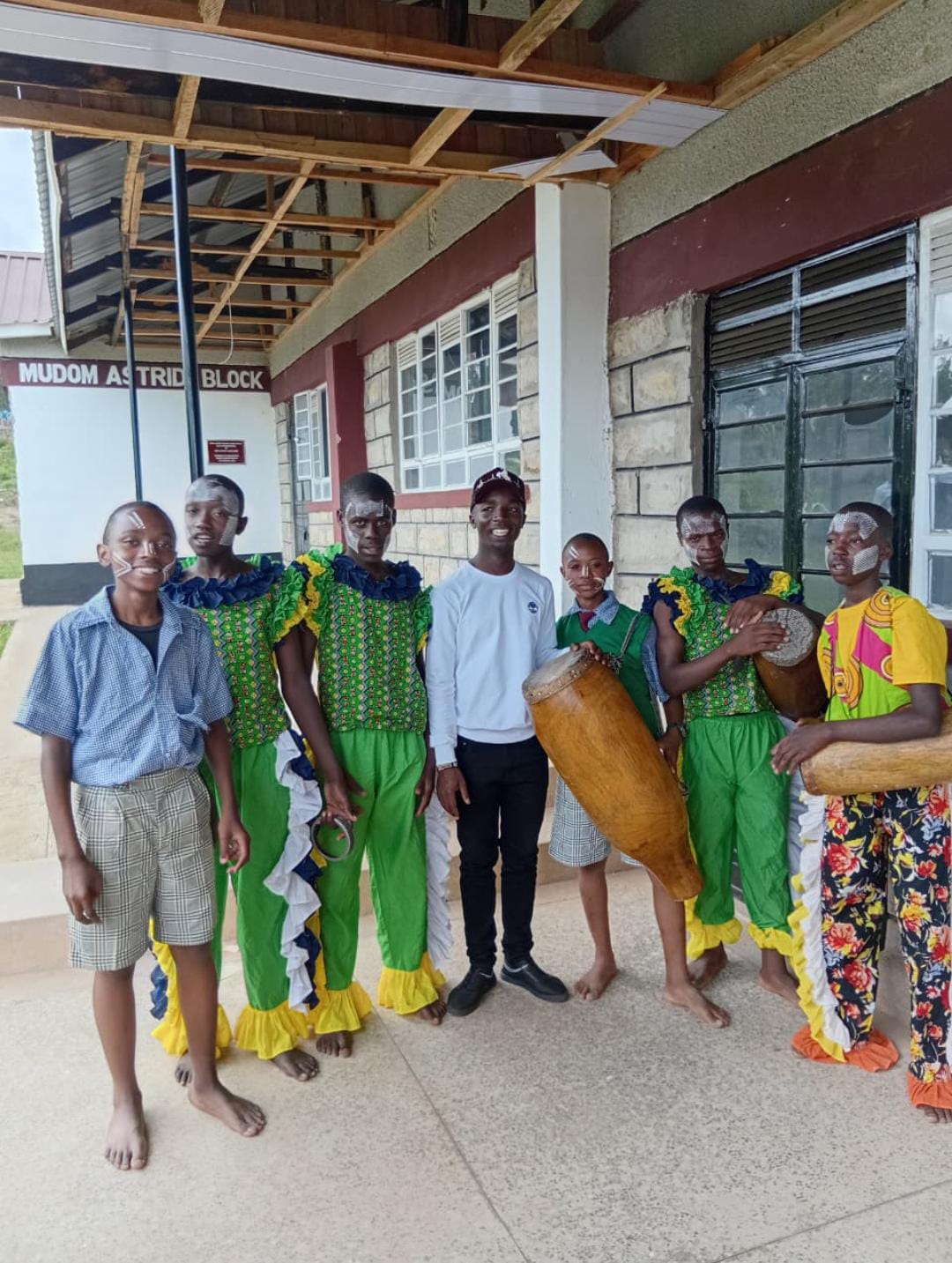
The Children Lead
This project does not speak for children. Children write their own scripts and decide what stories to tell. No adult edits their truth. Performances can be fictional or anonymised to protect identities, and no child is forced to share personal pain.
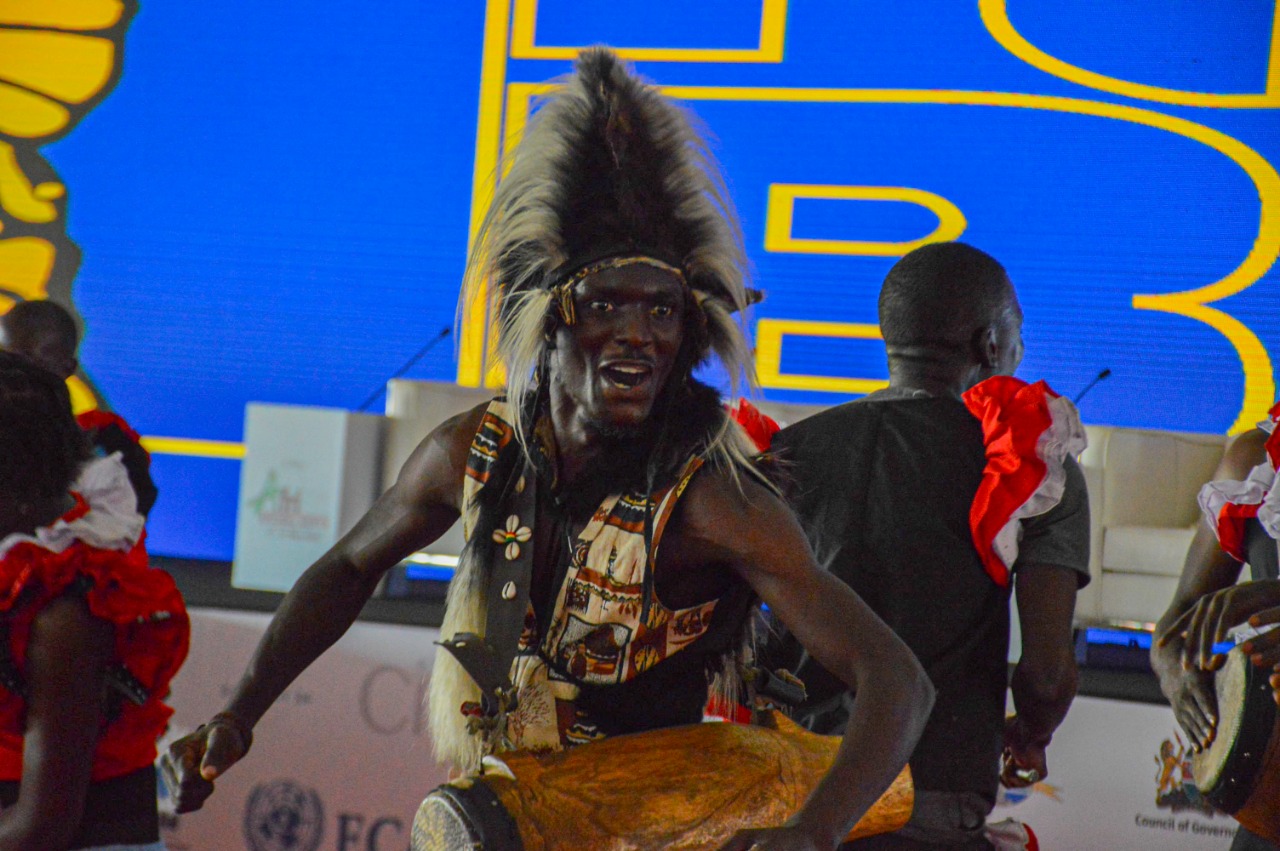
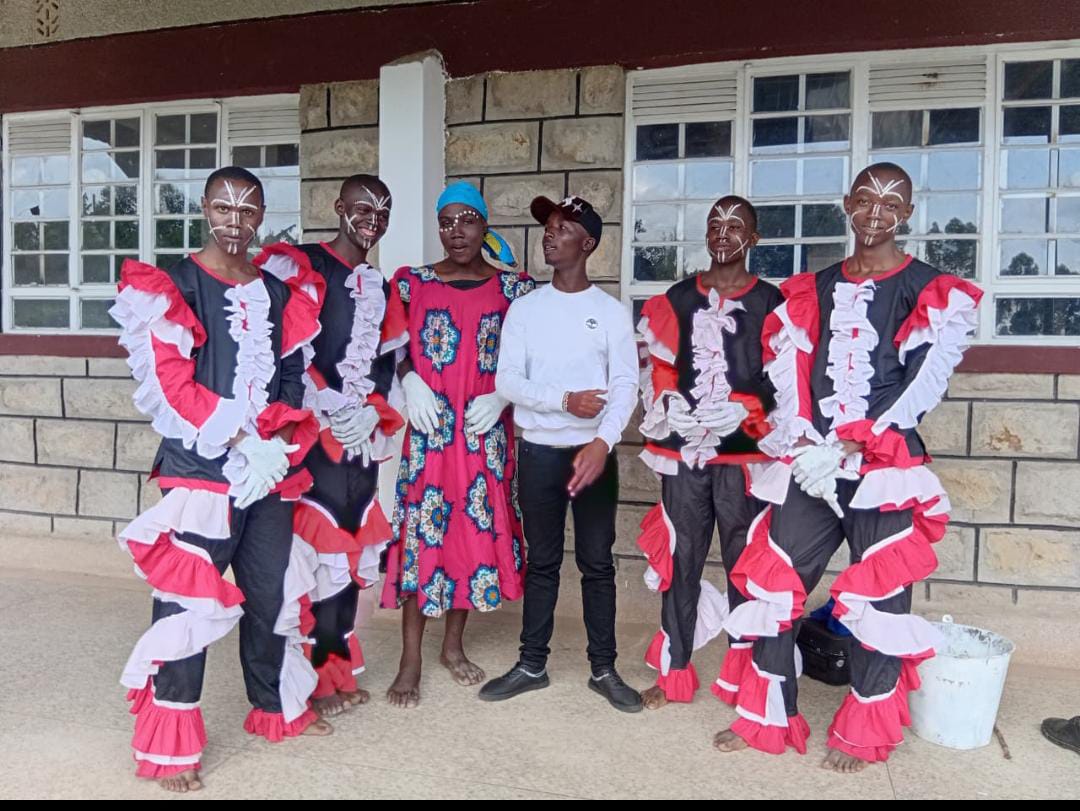
The programme is rooted in local culture. Isukuti dance draws crowds and signals communal action. Folktales from elders are shared and children adapt them into modern advocacy scripts. All performances are conducted in Luhya and Kiswahili, the languages of home.
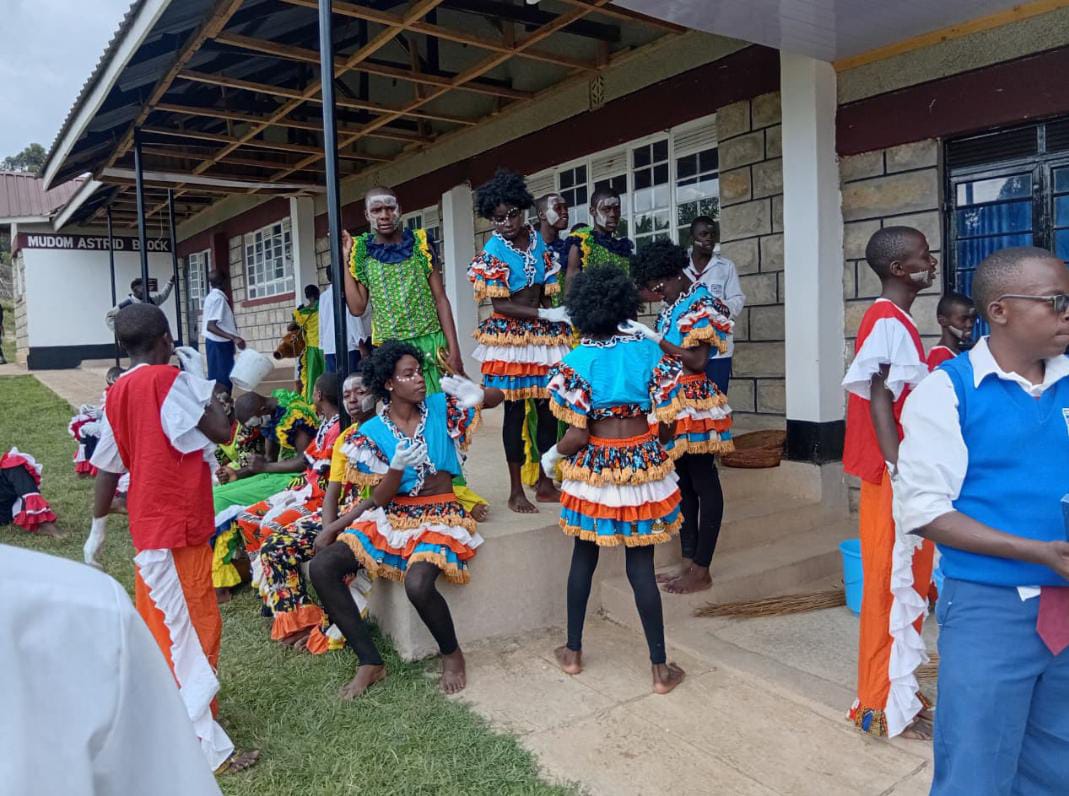
What We Are Working Toward
The pilot phase directly trains 100 children and reaches approximately 5,000 community members through 20 performances. Fourteen teachers across the seven schools are trained to continue the work after the project ends. Each school establishes a permanent Mazingira Arts Club.
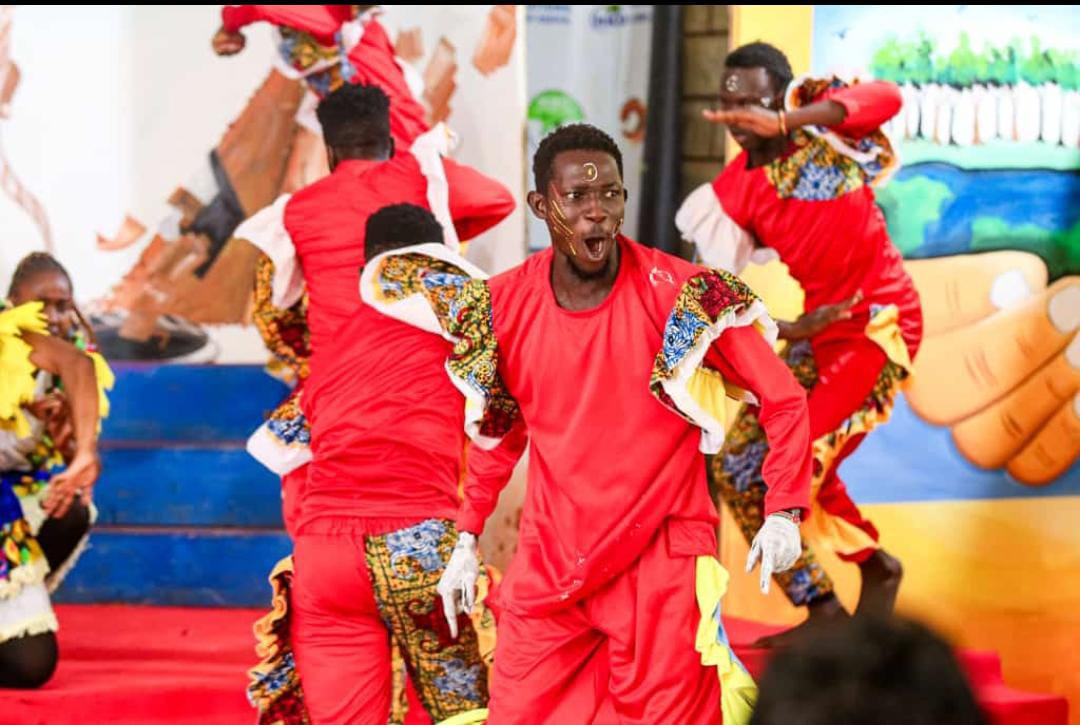
The goal is not to save children from mining. It is to trust children to advocate for themselves with the tools of art, the power of their own voices, and the dignity of their own culture.
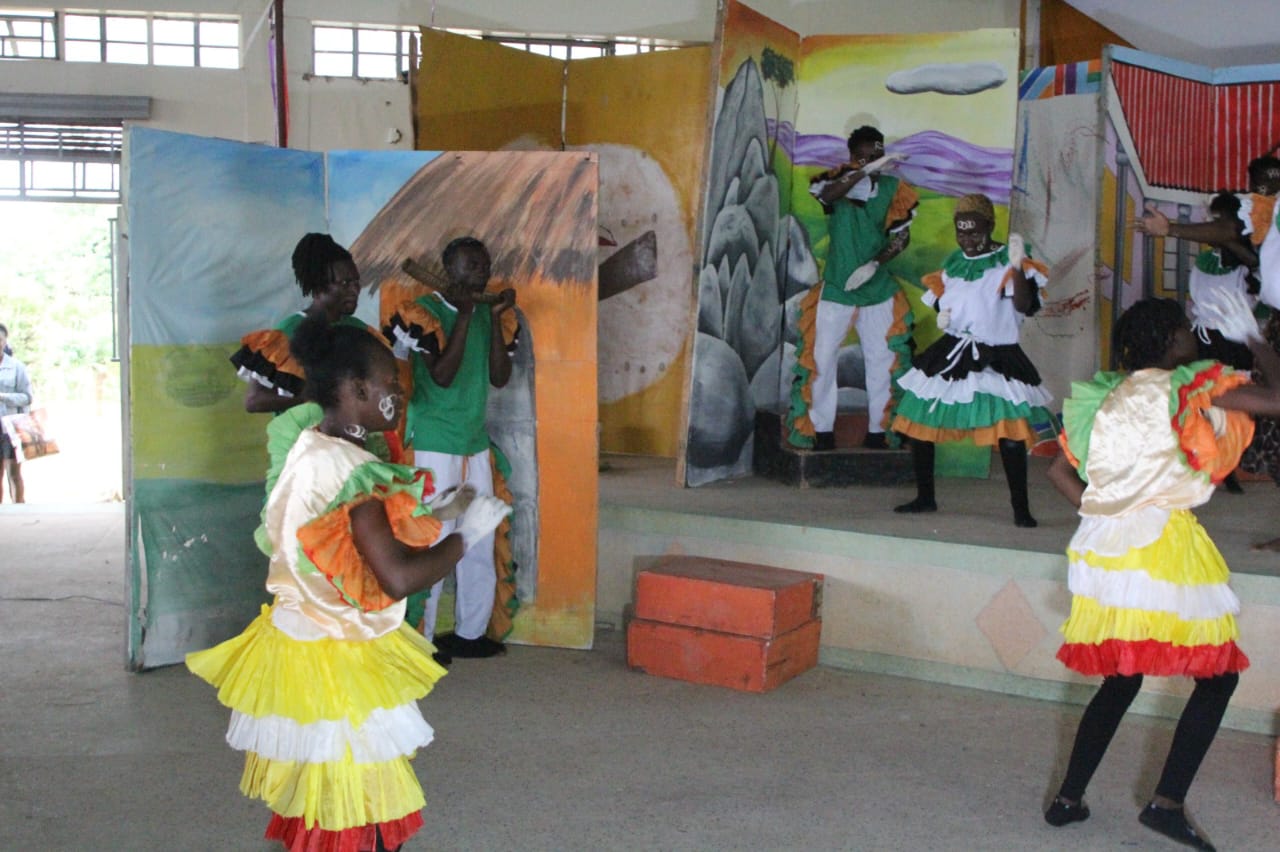
A child who has performed on stage, who has written a poem that made an adult weep, who has been celebrated for their voice rather than their labour, that child will never descend into a mine the same way again.
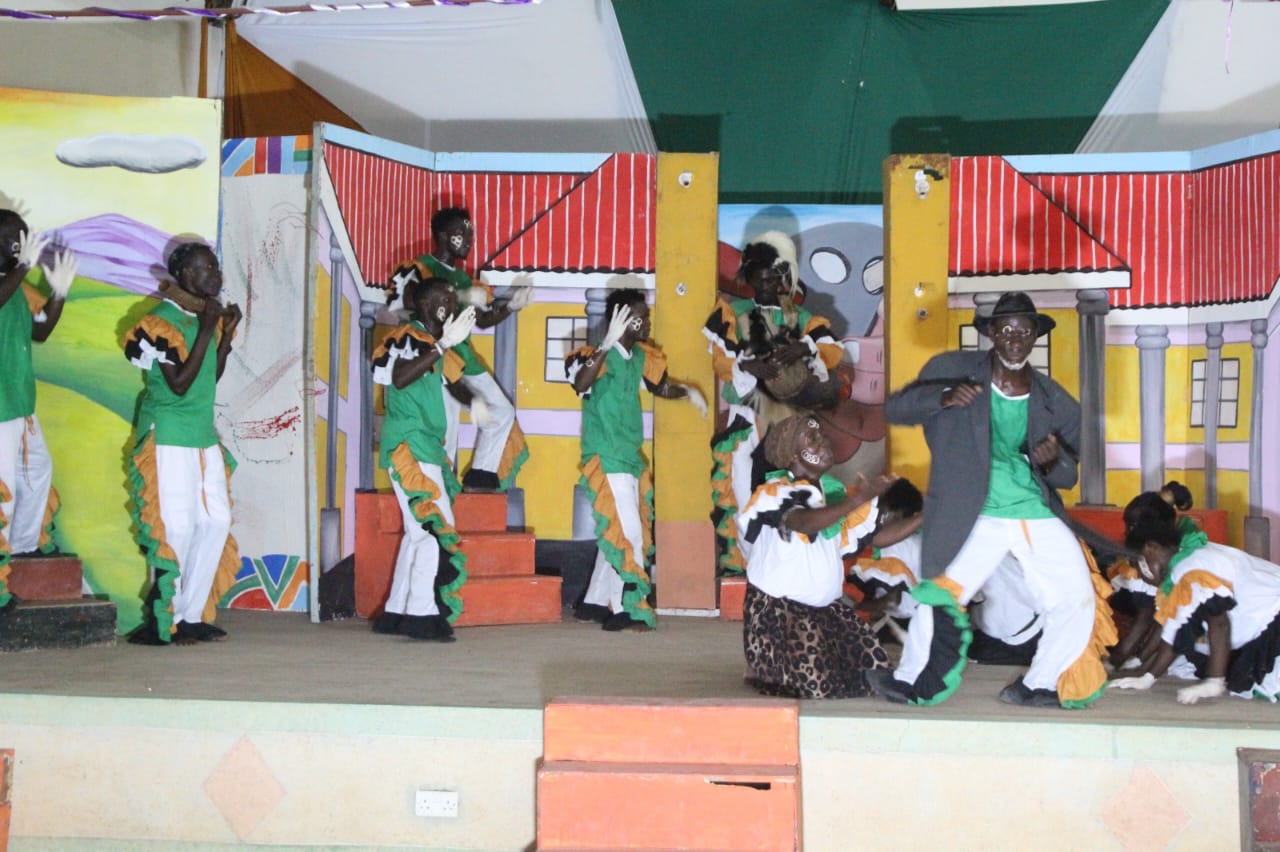
Before the gold mining arrived, Ikolomani had storytellers, dancers, and children who went to school. The Mazingira School Drive does not invent something new. It reconnects a generation to who they were and who they can become again.
0 Comments
Sign in to leave a comment.